In 2022, the State of Texas significantly revised its policy regarding Disabled Veteran (DV) license plates and parking privileges. New legislation under Senate Bill 792, effective January 1, 2022, changed access rights to disabled parking spaces for veterans holding DV plates. This post explains what changed, why it matters, who it affects, and what veterans need to do now.

What Changed Under SB 792?
Previously, any veteran with a Disabled Veteran license plate in Texas could park in spaces reserved for people with disabilities, even though the DV plate did not feature the International Symbol of Access (ISA—a wheelchair logo). However, SB 792 mandates that as of Jan. 1, 2022, vehicles parking in designated disabled spaces must display either:
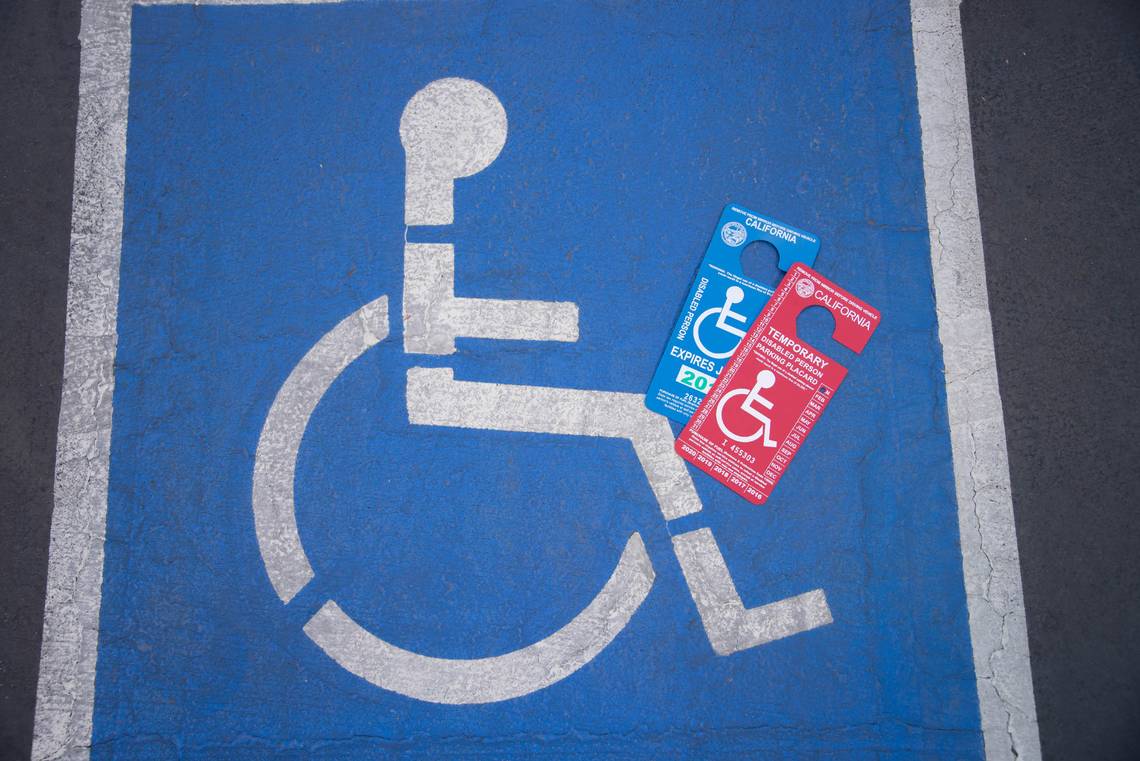
- An ISA license plate or
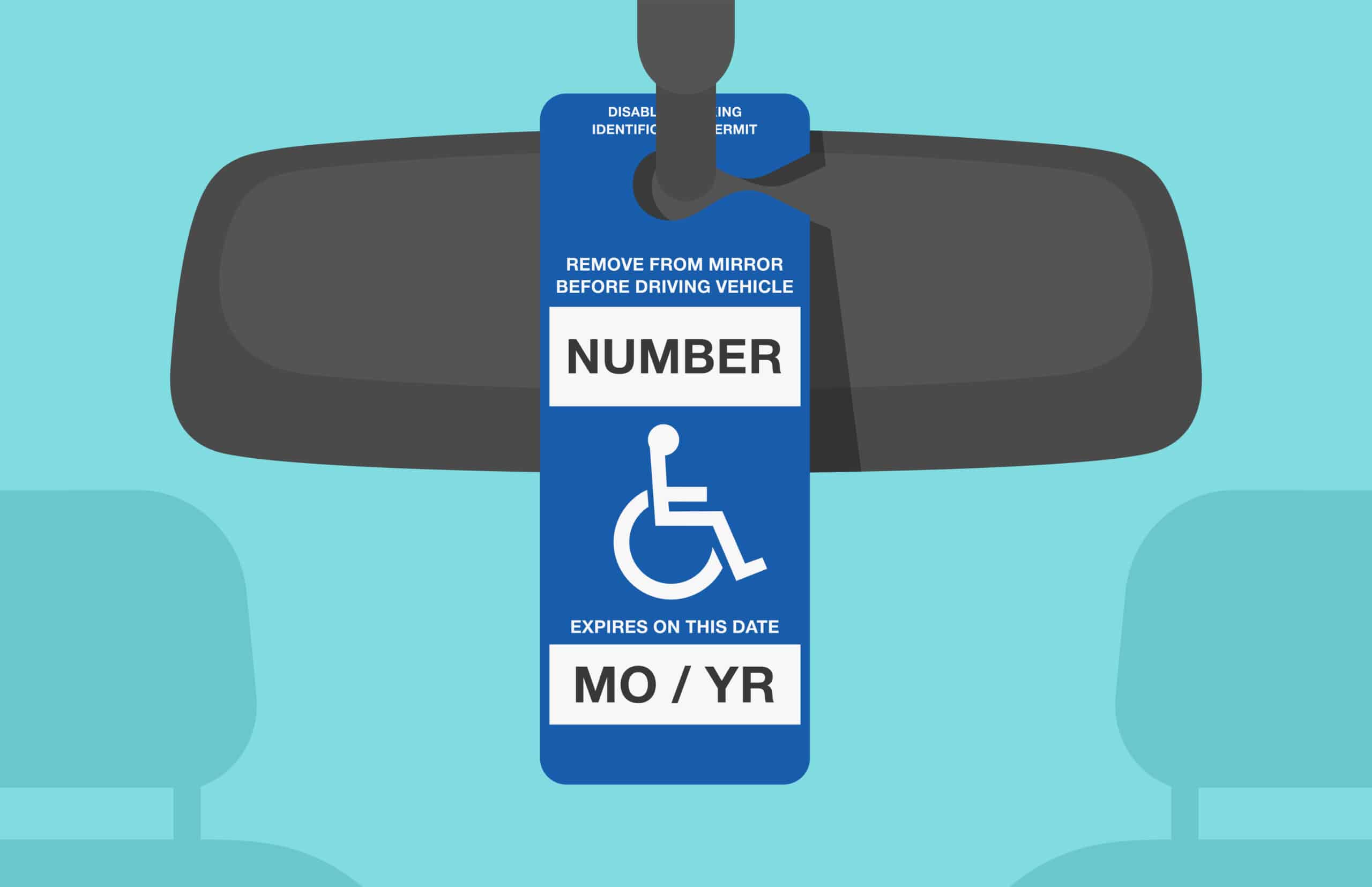
- A placard
Because traditional DV plates didn’t include the ISA, veterans with only those plates became ineligible to legally use disabled parking unless they also had the appropriate placard or switched to a DV plate that includes the ISA symbol.
Why Was This Change Implemented?
Texas lawmakers, including advocates from groups like Paralyzed Veterans of America and Disabled American Veterans, argued that some veterans using DV plates lacked mobility impairments, which led to overcrowding in accessible parking areas, especially at VA facilities and busy commercial locations.
SB 792 aimed to preserve those limited accessible parking spots for veterans and citizens with mobility disabilities by ensuring only appropriately certified individuals qualify.
Who Is Affected?
- Veterans with DV plates issued before 2022, without the ISA symbol:
They lost automatic parking privileges in disabled spaces and must now secure either a placard or new ISA-bearing DV plates if they meet eligibility. - Veterans already eligible under ISA standards:
Those with verified mobility impairments or qualifying visual disabilities can apply for a DV plate with the ISA or a disabled parking placard. This requires a medical certification from a physician (or podiatrist for foot disorder cases). - Veterans without these impairments:
They can still hold a basic DV plate (which conveys benefits like toll discounts, airport parking, and low registration fees), but cannot park in ADA spots unless they qualify medically and get the ISA symbol or a placard.
Eligibility for ISA Plates or Placards
To qualify for a DV plate or placard with the ISA symbol, a veteran’s condition must fall under one of the statutory categories as medically defined under ADA standards. This often includes:
- Visual impairments (e.g., 20/200 vision), or
- Mobility impairments such as arthritis, lung or cardiac disease, brace/crutch use, wheelchair confinement, etc.
Veterans applying must submit Form VTR‑615, along with a signed statement from a licensed physician (or podiatrist in certain cases), certifying their condition.
What Veterans Need to Do
- If you have a DV plate with no ISA and you need handicap parking access:
Go to your county tax assessor‑collector office, complete Form VTR‑615 with medical certification, and apply for either a new DV ISA plate or a disabled parking placard - If you already have an ISA‑bearing plate or placard that remains valid, you remain eligible to park in designated spaces.
- If you do not qualify under ISA criteria, keep your current DV plate but understand it no longer grants disabled parking privileges.
Failure to comply can lead to fines; some veterans reported tickets of around $200 for parking illegally in disabled spaces despite holding a DV plate without the ISA.
Need an ISA Placard/Plate?
The process of obtaining a handicapped parking permit usually begins with consulting with your primary healthcare provider. They can guide you on the specific requirements and determine if your condition qualifies for a permit. Your healthcare provider will also be responsible for submitting a letter or completing the necessary forms to verify your illness or disability. So, it’s essential to ensure their support in advance. Handicappedparking.com can ensure this part of the process is handled for you; you only need to complete a questionnaire and meet over the phone with a doctor.
After consulting with your healthcare provider, you will need to visit your state’s Department of Motor Vehicles (DMV). Depending on your state, you can apply for the permit online or schedule an appointment with DMV staff. In either case, you must complete paperwork outlining your situation and provide official medical documentation as supporting evidence.
It is important to note that the fees associated with obtaining a handicapped parking permit can vary across states. While some states may offer placards free of charge, others may require a nominal fee (the most we’ve seen is $38; most often, these fees are $25).
Taking these steps – consulting with your healthcare provider, understanding the process through your state’s DMV website, and being prepared with the required paperwork and medical documentation – will aid you in obtaining a handicap parking permit.
So what are you waiting for? We’ll complete the entire process for you; all we need from you is a bit of information and some time.